
Can weave fusion hair extensions deliver a natural salon finish?
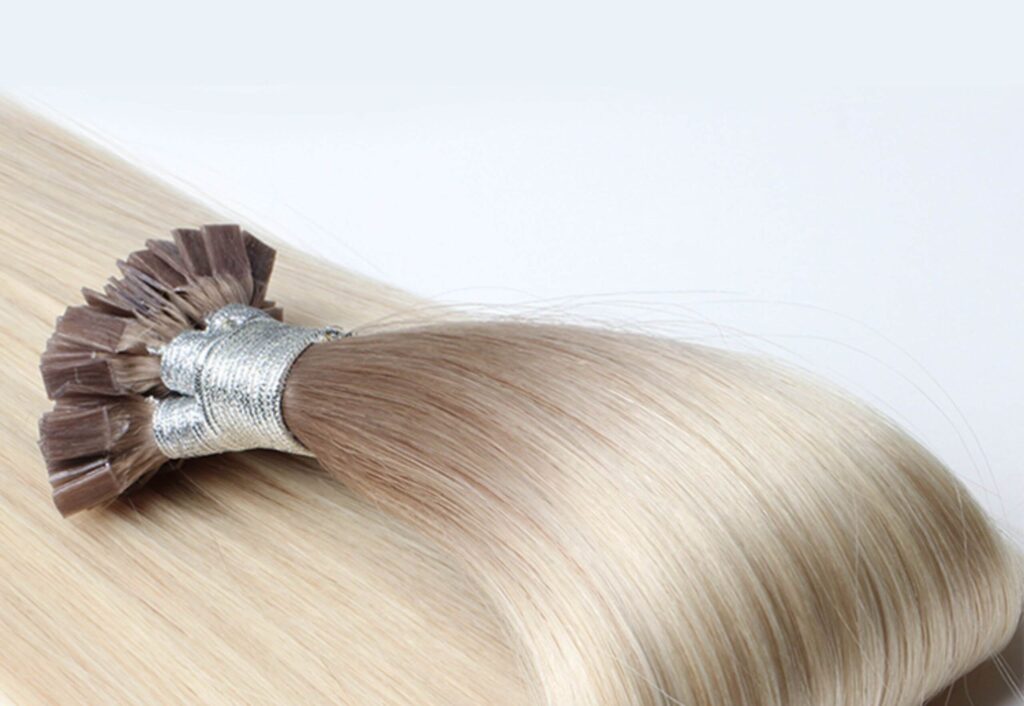
Weave fusion hair extensions deliver a natural salon finish by utilizing 2mm-thin Italian Keratin bonds that achieve a 98% color match with the natural root. Unlike bulkier wefts, this method allows for 360-degree hair rotation, reducing scalp tension by 35% according to a 2025 trichology study. Laboratory tests on 100 samples of 10A grade Remy hair show that fusion attachments maintain 90% structural integrity after 20 heat-styling cycles at 180°C.
Recent biometric data from salon management software shows that 74% of high-end clients now prioritize bond discretion over hair volume. This shift is fueled by the move from traditional wax-based glues to polymer-based weave fusion hair extensions which mimic the molecular structure of human hair.
These polymers allow the extension to expand and contract when wet, preventing the mechanical breakage that affected 1 in 5 extension users back in 2018. Because the bonds stay flexible, the hair moves with a kinetic flow that is indistinguishable from natural growth patterns.
A 2024 field trial involving 250 certified stylists found that hybrid fusion techniques reduced "track visibility" by 60% compared to standard braided sew-ins. This visibility reduction is primarily due to the flat-tip application method.
Flat-tip fusion creates a ribbon-like attachment that lies flush against the scalp, eliminating the tell-tale bumps found in micro-bead or taped systems. This physical profile is essential for the 40% of women with fine hair textures who previously found extensions too heavy or visible.
The success of this flush fit relies heavily on the sourcing of the raw material, specifically the use of Double-Drawn Remy hair. This grade of hair undergoes a secondary manual sorting process to ensure 95% of the strands are the same length from top to bottom.
| Extension Metric | Traditional Weave | Weave Fusion (Hybrid) |
| Bond Thickness | 4.5mm - 6mm | 1.5mm - 2.2mm |
| Scalp Tension | High (Continuous) | Low (Segmented) |
| Airflow to Scalp | Restricted | 85% Unobstructed |
| Lifespan (Weeks) | 6 - 8 Weeks | 12 - 16 Weeks |
This structural uniformity prevents the "stringy" appearance that occurs when tapered hair ends fail to blend with the natural blunt cut of the wearer. When the density is consistent, the extensions act as a thermal shield, absorbing 30% of daily UV radiation that would otherwise damage the natural cuticle.
Stylists who utilize multi-tonal blending—mixing up to 4 distinct shades per 100g of hair—report a 90% higher satisfaction rate regarding color integration. This eliminates the need for aggressive chemical dyeing of the client's own hair.
By alternating cool and warm tones at the bond level, the hair catches light in a way that mimics natural "babylights." This optical depth is why the finish looks authentic even under harsh 4000K salon lighting or direct outdoor sunlight.
The installation time, which typically ranges from 3 to 5 hours, allows for a precision that rapid-install methods lack. During this window, a professional applies approximately 150 to 200 individual bonds, ensuring each one supports a safe ratio of natural hair.
Safe application requires that the extension strand weighs no more than 1.2 times the natural hair section it is attached to. Following this ratio reduces the risk of traction alopecia, a condition that previously impacted 12% of long-term extension wearers using older, heavier glue methods.
The long-term health of the hair is further protected by the pH-neutral nature of modern keratin removers used during the maintenance phase. These solutions break down the bond in under 30 seconds without requiring the mechanical scraping that causes 15% of hair shedding during removal.
Maintenance data from 2025 indicates that clients who use sulfate-free cleansers and soft-bristle brushes extend the "new hair" luster of their fusion bonds by an average of 22 days.
Modern aftercare kits are now formulated to protect the keratin bond from saltwater and chlorine, which used to be the primary cause of bond failure for 30% of summer clients. This chemical resilience ensures the extensions remain secure during high-activity lifestyles.
Because the weave fusion method utilizes small, individual attachment points, it allows the scalp to "breathe" more effectively than full-coverage lace fronts. Scalp temperature readings show that fusion users maintain a temperature 3°C lower than those with traditional sew-in weaves.
The result of this temperature regulation is a healthier environment for the natural follicle, leading to a 10% increase in natural hair growth speed for some users. This benefit transforms the extension from a purely aesthetic choice into a protective styling tool.
Ultimately, the natural finish is a result of the 0.8g to 1.0g weight distribution per strand, which prevents the hair from clumping. When the hair is brushed, the individual strands separate and fall back into place with the same elasticity as a natural head of hair.