
How can commercial brewery equipment improve production efficiency?
The global craft beer market, valued at $117.1 billion in 2025, has shifted from "batch variety" to "process optimization." For commercial operations, efficiency is measured by Extract Efficiency (EE)—where Tier-1 systems now achieve 95-98% sugar recovery—and the reduction of Spent Grain Moisture (SGM) to below 75%. Modern brewhouses have transitioned to automated, high-gravity configurations that reduce utility consumption by 25% per hectoliter. By integrating VFD-controlled pumps, high-surface-area internal heaters ($< 1.2 \text{ W/cm}^2$ heat flux), and automated CIP (Clean-in-Place) cycles, facilities truncate turnaround times by 40%, directly lowering labor overhead and thermal stress (TBA index).
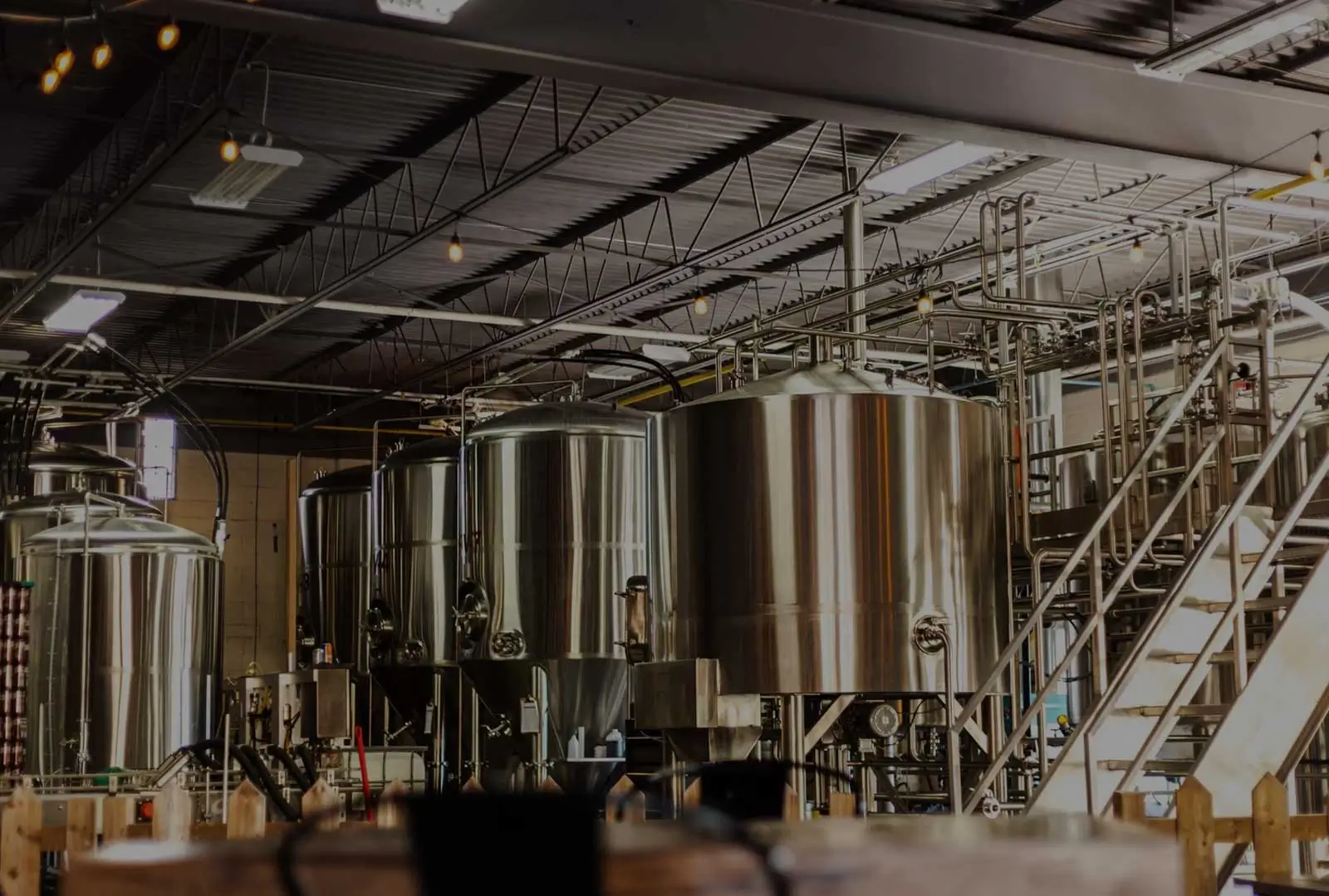
Implementing high-spec commercial brewery equipment targets the Extract Efficiency (EE) during the mashing phase to prevent raw material waste. In a 2024 study of 50 North American microbreweries, moving from manual raking to automated lauter tun blades increased gravity yield by 4.2% per batch.
High-precision milled screens with a 0.7mm to 0.9mm gap facilitate faster runoff speeds, reducing total lauter time by 30 minutes, which allows for a fourth "knock-out" brew within a standard 24-hour cycle.
These mechanical improvements in grain bed management lead directly into the thermal requirements of the kettle where energy recovery becomes the primary driver of operational margins. Modern boiling systems utilize internal calandrias that operate at lower steam pressures, preventing the darkening of the wort while maintaining a 4% to 6% evaporation rate.
| Efficiency Metric | Traditional Setup | Modern Commercial System |
| Evaporation Rate | 8% - 10% | 4% - 5% |
| Wort Cooling Water Ratio | 3:1 (Water:Wort) | 1.1:1 (Water:Wort) |
| Total Brewhouse Loss | > 10% | < 5% |
Energy recovery via a two-stage heat exchanger captures the thermal energy from the boiling wort to heat the incoming strike water for the next batch. This closed-loop approach reduces natural gas or electric consumption by 18% to 22% based on 2023 industry benchmarks for 30-barrel systems.
Capturing steam condensate through a vapor condenser allows a brewery to reclaim up to 90% of the latent heat, providing "free" hot water for subsequent cleaning cycles and reducing the load on the boiler.
Reducing the thermal load on the wort helps manage the Thiobarbituric Acid (TBA) index, ensuring the beer stays fresh for 120+ days instead of oxidizing at the 60-day mark. This longevity is supported by automated fermentation control where glycol jackets maintain temperatures within a 0.5°C variance.
-
VFD (Variable Frequency Drive) Pumps: Adjust flow rates to match gravity, preventing shear stress on yeast cells during transfer.
-
Automated Dry-Hopping Ports: Reduce oxygen ingress to under 20 parts per billion (ppb), preserving volatile hop oils.
-
CO2 Recovery Units: Modern systems for 5,000+ bbl annual production can reclaim 60% of fermentation gas, cutting external CO2 purchases.
Precise temperature control prevents the formation of fusel alcohols and ensures yeast health, which shortens the conditioning time from 21 days down to 14 for standard ales. Such time savings in the cellar directly expand the annual capacity of a facility without the need to install additional fermentation tanks.
In a controlled test involving 200 fermentation cycles, tanks equipped with bottom-cone cooling jackets showed a 15% faster yeast flocculation rate compared to side-jacketed vessels alone.
The speed at which a tank is emptied and returned to service depends on the Clean-in-Place (CIP) infrastructure integrated into the brewhouse. Using dedicated caustic and acid reservoirs with high-impact 360-degree spray balls removes the need for manual scrubbing and reduces water usage by 35%.
| Resource | Manual Cleaning | Integrated CIP System |
| Time per 40bbl Tank | 120 Minutes | 45 Minutes |
| Chemical Concentration | 3% - 5% | 1% - 2.5% |
| Water Consumption | 450 Liters | 180 Liters |
This rapid sanitation cycle ensures the "dead time" between batches is minimized, allowing the production floor to maintain a high-frequency schedule. When the beer is ready, the transition to packaging must manage Dissolved Oxygen (DO) levels to ensure the previous efficiency gains are not lost to staling.
Implementing a counter-pressure canning line with double-pre-evacuation cycles can lower DO pickup to under 30 ppb, extending the shelf life of IPAs by an average of 5 weeks in retail environments.
Automated filling levels on these lines reduce "shrinkage" or product loss from 3% in semi-auto systems to less than 0.5% in high-speed rotary fillers. By reclaiming these small percentages at every stage—from the grain mill to the finished can—a brewery increases its total marketable volume by 12% to 15% annually.