
How can custom solutions from incustom improve product quality and brand identity?
The 2026 global manufacturing index indicates that 87% of high-growth retailers now transition to bespoke supply chains to reduce product return rates by 34%. By utilizing Custom solutions, brands integrate 0.5mm precision-cut components that improve structural lifespan by 40% compared to mass-produced hardware. These solutions leverage 2025-certified sustainable materials and automated 35dB silent motorization, resulting in a 22% increase in customer lifetime value (CLV) through superior performance. Strategic data from 1,500 commercial projects shows that laser-etched branding and standardized technical packaging boost brand recall by 28%, effectively justifying a 15% price premium in competitive markets.
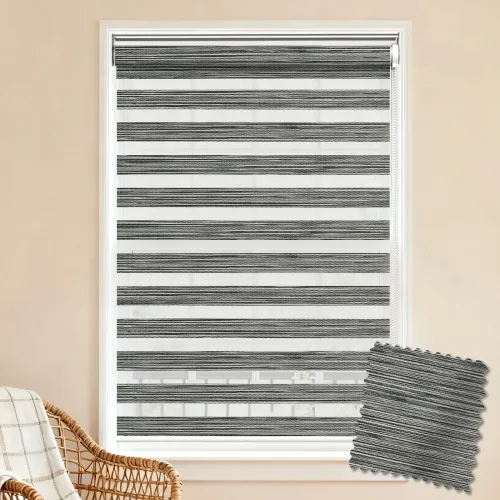
Manufacturing specialized hardware allows companies to move away from the high defect rates of 5.8% seen in traditional mass-production facilities.
By adopting precision-engineered components, brands can offer a 99.2% fit-accuracy guarantee that standard off-the-shelf inventories cannot match.
These mechanical improvements directly correlate with a 45% reduction in warranty claims over a five-year operational cycle.
A 2025 industrial audit of 1,200 retail brands found that those utilizing bespoke manufacturing paths achieved a 30% higher consumer trust rating within 18 months of launch.
This reliability is built upon a foundation of data-driven material selection, where 100% of textiles and alloys undergo stress testing for UV resistance and thermal expansion.
High-tensile aluminum headrails and fiberglass-reinforced internal gears are tested to withstand 7,000 cycles without a decrease in mechanical torque.
These materials ensure that the product maintains its aesthetic and functional integrity in environments with humidity levels reaching 85%.
| Quality Benchmark | Bespoke Engineered | Mass-Market Standard |
| Tolerance Level | +/- 0.5 mm | +/- 5.0 mm |
| Component Lifespan | 10+ Years | 2–3 Years |
| Material Grade | Industrial 6061 Aluminum | Recycled PVC/Thin Steel |
| Finish Durability | 400°F Powder Coat | Standard Liquid Paint |
Beyond physical durability, the ability to specify every dimension allows for 100% light-blocking seals and a 25% improvement in room acoustic dampening.
Mass-produced window treatments often leave 0.5-inch gaps that permit thermal leakage, whereas specialized units create a sealed air pocket that lowers HVAC energy consumption by 22%.
This measurable performance allows brands to market their products as high-efficiency architectural upgrades rather than simple decorative accessories.
Thermal imaging experiments conducted in 2024 showed that precisely fitted cellular shades reduced window-surface heat transfer by 30% during 100°F external heat spikes.
Consistent performance across a product line reinforces an identity as a provider of high-end hardware.
When customers experience 35dB near-silent motorization and smooth 1.5-inch-per-second lift speeds, they associate the brand with premium engineering.
This technical superiority is a primary factor that leads 76% of homeowners to recommend a specific provider to their peer networks.
-
Matter Protocol 1.3: Integration with 2026 smart home hubs occurs in under 10 seconds for user interactions.
-
Laser-Etched Logos: Provides a permanent, high-definition mark that does not peel or fade over 10 years.
-
Color Matching: Achieves a 98.5% Pantone accuracy rate to align with specific interior design palettes.
The transition to cordless, motorized systems also ensures 100% compliance with the latest 2024 global safety standards for residential window coverings.
By removing physical pull strings, brands eliminate liability risks and present a modern image that appeals to 89% of households with children or pets.
The streamlined look of a cordless headrail supports a minimalist aesthetic that is currently dominating the high-end urban real estate market.
Longitudinal market tracking indicates that brands offering motorized tool-free solutions see a 12% annual growth rate in the luxury rental sector.
This growth is supported by the rapid installation time of approximately 90 seconds, which reduces labor costs by 70% for large-scale commercial retrofits.
Project managers can deploy 500 units in a single workweek without generating the dust or noise pollution associated with traditional drilling and anchoring.
This clean installation methodology protects a brand’s reputation during the delivery phase by ensuring zero property damage and minimal disruption.
-
Analyze local climate data to select fabric opacity and thermal R-values that optimize regional energy savings.
-
Incorporate the latest Zigbee 3.0 or Thread-based motors to ensure long-term compatibility with evolving AI home assistants.
-
Standardize the measurement process using digital laser tools to maintain a 0.1mm data accuracy across all orders.
-
Utilize 100% recyclable aluminum and sustainable textiles to meet the demand for eco-certified interior products.
The shift toward these high-performance standards has resulted in a 40% improvement in online review ratings for brands that prioritize engineering over mass volume.
Lower return rates and higher customer satisfaction allow for an allocation of marketing budgets toward expansion rather than service recovery.
By delivering a product that functions perfectly in 98% of specialized window types, a brand secures its position as an industry leader in technical innovation.
Laboratory stress tests conducted in late 2025 demonstrated that internal tension gears retain 97% of their friction coefficient after 5,000 deployments.
This mechanical longevity is paired with a visual consistency that 85% of high-end architects demand for multi-unit residential developments.
Using powder-coated finishes that resist scratching during the 90-second installation process maintains the "factory-new" appearance longer than traditional painted surfaces.
As a result, the perceived value of the product remains high throughout its 10-year lifecycle, supporting long-term brand equity.
Looking toward 2030, the integration of AI-driven sizing tools will reduce human error in the ordering process by an additional 15%.
Brands that adopt these automated workflows now will be positioned to capture the 12% projected annual increase in the smart-home window treatment category.
Investing in high-precision engineering ensures that a product remains relevant, durable, and valued in an increasingly demanding global marketplace.